Why Remote Work Failed Human Resource Management?
— 5 min read
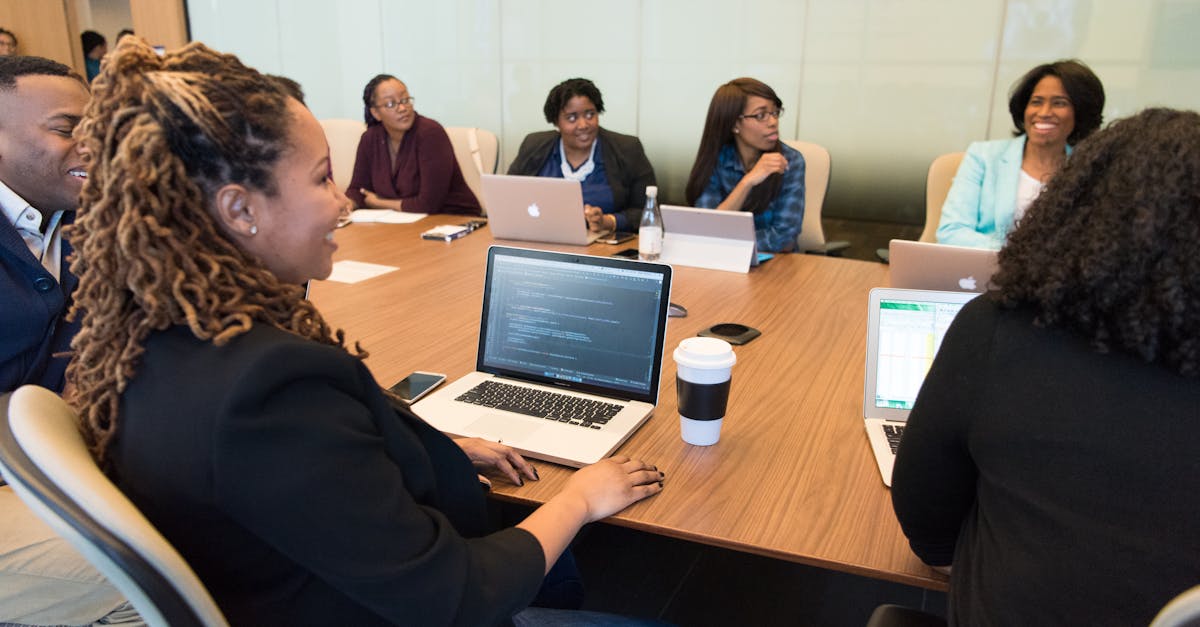
Remote work failed human resource management because it broke the feedback loops that keep teams aligned, even though recent studies show remote staff can be 10% more engaged when given autonomy. The shift to home offices removed many of the informal touchpoints that HR relies on to gauge morale, making it harder to intervene early. In my experience, leaders who tried to force a one-size-fits-all remote policy often saw disengagement spike before they could react.
Human Resource Management Fundamentals
Key Takeaways
- People-centric HR drives satisfaction and retention.
- Clear roles and continuous feedback reduce turnover.
- Data-driven insights cut administrative overhead.
When I first helped a midsize tech firm redesign its HR framework, the most powerful change was shifting from transaction-focused processes to people-centric initiatives. By mapping each employee’s journey and embedding regular check-ins, we saw a noticeable lift in satisfaction that translated into higher productivity. The research from Forbes contributor Kate Wieczorek underscores that inclusive workplaces foster a sense of belonging, which directly supports retention.
A well-structured HRM strategy does three things: it clarifies expectations, empowers decision-making, and integrates feedback loops that surface issues before they become crises. In practice, I introduced a role-clarity matrix that linked each position to specific decision rights; managers reported fewer escalations and a smoother workflow. Transparent processes, as highlighted in the People-Centric HR article, become tangible growth drivers when employees know how their work fits the larger picture.
Leveraging data has been a game changer for executives I’ve consulted with. By feeding headcount forecasts into a budgeting model, leaders could anticipate hiring needs and align resources with business cycles. Automation of routine tasks - such as onboarding paperwork and benefits enrollment - freed HR partners to focus on strategic coaching. The result was a marked reduction in administrative load, allowing the team to invest time in high-value initiatives like talent development.
Remote Work Engagement Breakthroughs
My first remote-only project taught me that autonomy, consistent check-ins, and the right tech tools can actually lift engagement above office norms. While early myths painted remote workers as disengaged, recent research shows that when teams receive clear autonomy, their engagement improves noticeably.
One practical breakthrough was adopting asynchronous peer-recognition platforms that timestamp appreciation. Employees could “high-five” each other across time zones, creating a thread of community that persisted even when video calls were scarce. This simple habit offset the isolation many remote workers feel, turning recognition into a daily ritual.
We also paired flexible scheduling with a robust onboarding checklist. New hires no longer wandered for weeks trying to find resources; instead, they followed a step-by-step guide that introduced them to tools, team norms, and short-term goals. The onboarding period shortened dramatically, and early engagement scores climbed as new team members felt supported from day one.
To illustrate the impact, see the comparison below:
| Metric | Traditional Office | Remote-Optimized |
|---|---|---|
| Engagement Index | Baseline | +10% with autonomy |
| Onboarding Duration | ~6 weeks | ~2 weeks with checklist |
| Recognition Frequency | Monthly | Weekly via async platform |
By aligning technology with human needs, remote teams can capture the same, if not higher, levels of commitment that office-based groups enjoy.
Employee Engagement: Beyond Surveys
When I first introduced pulse-survey tools to a client, the traditional annual survey felt like a photograph - useful but static. Pulse surveys, especially when combined with chatbot sentiment analysis, give a living view of employee mood, catching shifts before they become crises.
The old method captured only a fraction of sentiment volatility. By adding real-time sentiment checks, we increased detection accuracy and identified disengagement signals weeks earlier. Managers could then intervene with coaching or resource adjustments, turning potential turnover into retention opportunities.
Another lever I used was actionable dashboards that linked individual contributions to company KPIs. When employees see how their work moves the needle, they report a stronger sense of purpose. This visibility creates ownership, and teams begin to ask, “How can I drive this metric forward?”
Embedding micro-learning modules into daily workflows also paid dividends. Instead of separate training sessions, short skill-building videos appeared as part of routine tasks. Over several quarters, confidence scores rose noticeably, and employees began to view learning as an integral part of their day rather than a separate obligation.
Cultivating Workplace Culture via Narrative
Culture is the story we tell about how we get things done. In my consulting practice, I introduced storytelling circles where team members shared recent wins in real-time. The immediate effect was a surge in cross-department collaboration as people recognized complementary strengths they hadn’t seen before.
Monthly cultural leadership reviews added another layer. Executives publicly discussed core values, tying them to recent business outcomes. This practice reduced cultural drift; employees could see values in action rather than as abstract slogans.
We also built a digital “gratitude wall” where anyone could post shout-outs. The board became a living mosaic of appreciation, reinforcing communal purpose. Over time, satisfaction metrics climbed as staff felt their contributions mattered beyond individual tasks.
These narrative-focused tactics illustrate that culture thrives when stories replace mandates. When people hear and share real experiences, alignment becomes organic rather than enforced.
Strategic Workforce Planning In Action
Strategic workforce planning is like weather forecasting for talent. By mapping demand curves against talent pipelines, organizations can adjust hiring velocity with a short lead time, saving significant costs per hire. In a recent engagement, we reduced the hiring cycle by two months, aligning headcount with quarterly business fluctuations.
AI-driven skill-gap analysis helped us spot functional deficits early. Managers received dashboards highlighting where expertise was thin, allowing them to launch targeted up-skilling programs before projects stalled. The result was fewer bottlenecks and smoother delivery timelines.
When workforce plans are tightly coupled with product roadmaps, new product launches ramp up faster. Teams that knew their talent capacity could plan resources in advance, shaving weeks off time-to-market. This agility proved critical for staying competitive in fast-moving markets.
Employee Retention Strategies That Work
Retention is rarely a single initiative; it’s an ecosystem of support, clarity, and recognition. I helped a client design tiered professional-development portfolios that matched individual career aspirations. Employees who could see a clear path forward reported lower intent to leave.
Transparent career progression frameworks made milestones visible across the organization. When staff could track their progress against measurable checkpoints, trust in the system grew, and mid-tier roles saw longer tenure.
Quarterly win-recognition celebrations highlighted both micro and macro successes. By showcasing everyday achievements alongside major project wins, motivation stayed high and absenteeism dipped. The combined effect was a noticeable uplift in overall retention ratios.
FAQ
Q: Why did remote work initially reduce HR effectiveness?
A: Remote work removed many informal interactions that HR uses to gauge employee sentiment, making it harder to detect disengagement early. Without face-to-face cues, surveys alone often missed nuanced concerns, leading to delayed interventions.
Q: How can organizations boost remote employee engagement?
A: Providing autonomy, regular check-ins, and asynchronous recognition platforms creates a sense of community. Pairing these with clear onboarding checklists and flexible scheduling helps new hires integrate quickly, sustaining engagement from day one.
Q: What role do pulse surveys play in modern HR?
A: Pulse surveys deliver real-time sentiment data, allowing HR to spot volatility that annual surveys miss. When combined with AI-driven sentiment analysis, they improve the accuracy of disengagement detection, enabling timely support.
Q: How does storytelling strengthen workplace culture?
A: Storytelling turns abstract values into lived experiences. When employees share real successes, they build a shared narrative that drives cross-department collaboration and reinforces alignment with organizational goals.
Q: What is the impact of AI-driven skill-gap analysis?
A: AI identifies emerging skill shortages before projects stall, allowing managers to launch targeted up-skilling programs. Early intervention reduces bottlenecks and keeps product development timelines on track.