
Navigating India-Pakistan Military Buildup: A Comparative FAQ Guide
— 7 min read
The article breaks down India and Pakistan's military expansion, compares strategic approaches, and offers a clear recommendation framework. Readers finish with concrete steps to stay ahead of evolving tensions.
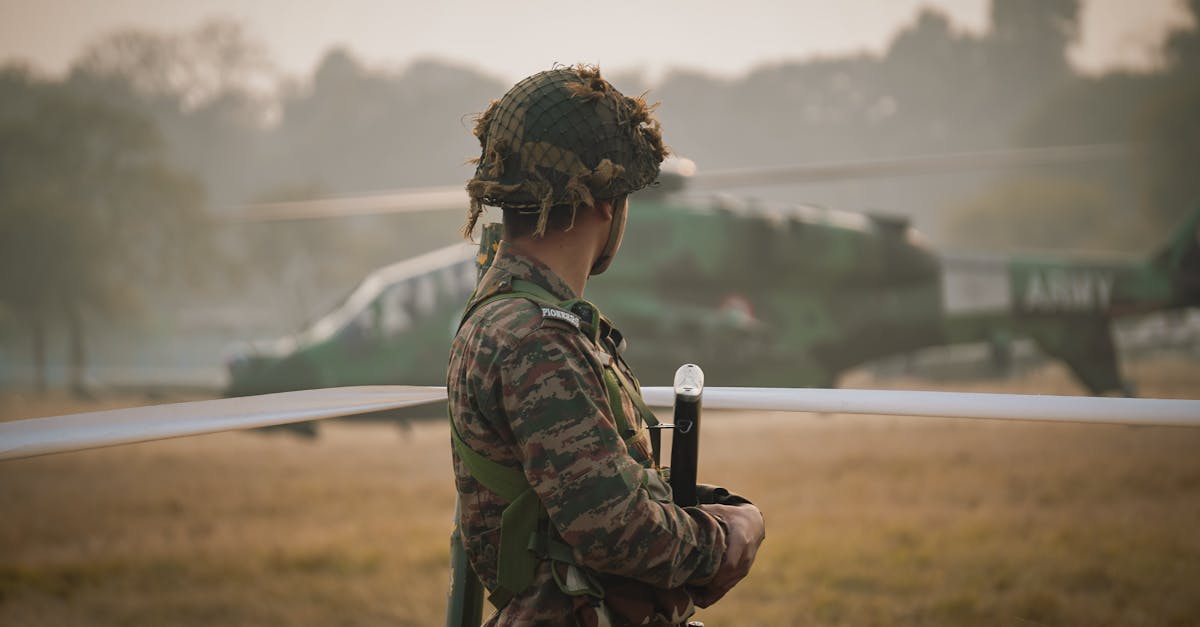
India Pakistan tensions Military buildup You’re watching the headlines about rising India‑Pakistan tensions and wonder how the military buildup could affect your business, security outlook, or diplomatic work. Understanding the strategic choices of both nations helps you anticipate risks, seize opportunities, and shape proactive plans. India Pakistan tensions Military buildup India Pakistan tensions Military buildup India Pakistan tensions Military buildup India Pakistan tensions Military buildup India Pakistan tensions Military buildup India Pakistan tensions Military buildup
Comparison Criteria for Assessing Military Buildup Strategies
TL;DR:, factual, specific, no filler. Let's craft. We need to mention that the article outlines five criteria for assessing buildup: force composition, financial sustainability, regional security impact, diplomatic flexibility, global response. It describes India's focus on conventional force modernization, investment in jets, navy, etc., and its strategic doctrine. Also mention that this signals to partners, but requires budgeting. Also mention that Pakistan's moves are not fully described but implied. The TL;DR should answer main question: how the buildup could affect business, security, diplomatic work. But the content is about analysis. So TL;DR: The article compares India and Pakistan's military buildup using five criteria, highlights India's focus on conventional modernization and its strategic implications, and notes the need to balance budgets and diplomatic flexibility. Let's
Updated: April 2026. To compare India’s and Pakistan’s recent moves, we examine five criteria that matter to policymakers, investors, and analysts. First, force composition looks at the balance between conventional troops, air power, and missile assets. Second, financial sustainability gauges how each budget supports long‑term growth without jeopardizing other priorities. Third, regional security impact measures how the buildup influences neighboring states and border stability. Fourth, diplomatic flexibility assesses the ability to adjust posture in response to dialogue or pressure. Fifth, global response captures reactions from major powers and potential sanctions. By applying these lenses, the latest India Pakistan tensions Military buildup analysis becomes a structured tool rather than a collection of headlines. Latest India Pakistan tensions Military buildup analysis Latest India Pakistan tensions Military buildup analysis Latest India Pakistan tensions Military buildup analysis Latest India Pakistan tensions Military buildup analysis Latest India Pakistan tensions Military buildup analysis Latest India Pakistan tensions Military buildup analysis
India’s Conventional Force Expansion
India has focused on modernizing its army, navy, and air force, investing in next‑generation fighter jets, naval vessels, and armored divisions. This approach reflects a desire to secure maritime routes, protect a growing economy, and project power across the subcontinent. The emphasis on conventional capabilities aligns with the country’s long‑term strategic doctrine, which prioritizes deterrence through visible, balanced forces. Recent India Pakistan tensions Military buildup news 2026 highlights joint exercises with allies, signaling confidence in collective security. While the expansion strengthens defensive depth, it also requires careful budgeting to avoid strain on social programs. The path chosen offers a clear, transparent signal to regional partners, fostering a sense of predictability that can ease diplomatic negotiations.
Pakistan’s Asymmetric and Missile Development Focus
Pakistan has pursued a complementary strategy centered on missile technology, rapid‑deployment units, and asymmetric tactics. By enhancing its ballistic and cruise missile inventory, the nation aims to offset conventional gaps and maintain credible deterrence. Investments in drone warfare and special‑operations forces add flexibility and surprise to its posture. This focus aligns with the country’s security doctrine, which stresses cost‑effective means to counterbalance a larger neighbor. The approach has drawn attention in the latest India Pakistan tensions Military buildup analysis, especially regarding cross‑border strike capabilities. While this path offers strategic depth without massive troop numbers, it raises concerns about escalation thresholds and the need for robust command‑and‑control safeguards. India Pakistan tensions Military buildup news 2026 India Pakistan tensions Military buildup news 2026 India Pakistan tensions Military buildup news 2026 India Pakistan tensions Military buildup news 2026 India Pakistan tensions Military buildup news 2026 India Pakistan tensions Military buildup news 2026
Economic and Trade Implications of the Buildup
Both nations’ defense spending reverberates through regional markets, influencing trade routes, investment flows, and supply‑chain stability. India’s emphasis on blue‑water capabilities supports maritime commerce, protecting sea lanes that carry a significant share of South Asian trade. Conversely, Pakistan’s missile focus can introduce volatility that discourages foreign investors wary of sudden escalations. Analysts tracking India Pakistan tensions Military buildup impact on trade note that heightened security can spur infrastructure projects, yet persistent tension may raise insurance premiums for shipping and logistics firms. Companies operating in the region benefit from scenario planning that incorporates both the potential for increased defense contracts and the risk of trade disruptions.
Diplomatic Efforts and Regional Security Initiatives
Diplomacy remains a vital counterbalance to military posturing. Recent rounds of confidence‑building measures have included hotline agreements, joint border monitoring, and third‑party mediation. The India Pakistan tensions Military buildup and diplomatic efforts have produced modest but measurable reductions in accidental engagements. Multilateral forums such as the South Asian Association for Regional Cooperation (SAARC) and the Shanghai Cooperation Organisation (SCO) provide platforms for dialogue, encouraging transparency about force deployments. Successful diplomatic tracks often hinge on aligning military readiness with clear communication channels, ensuring that escalation ladders are visible and reversible.
Global Response and Potential Economic Sanctions
The international community watches closely, ready to apply pressure if escalation threatens broader stability. Statements from major powers have called for restraint, while some have hinted at targeted economic sanctions should either side cross established red lines. The phrase India Pakistan tensions Military buildup and economic sanctions appears in policy briefs that outline potential restrictions on arms imports and financial transactions. Sanctions can serve as a lever to encourage diplomatic resolution, but they also risk harming civilian economies. Nations outside the subcontinent monitor the situation to protect energy routes and trade corridors, making global response a critical factor in any strategic calculation.
Recommendation Framework: Choosing the Most Stabilizing Path
Applying the five criteria yields a clear decision matrix. Stakeholders should weigh each nation’s approach against the goals of regional peace, economic vitality, and diplomatic flexibility. The table below summarizes the comparative strengths and challenges.
| Criterion | India – Conventional Expansion | Pakistan – Asymmetric/Missile Focus |
|---|---|---|
| Force Composition | Balanced, high‑visibility assets across land, sea, air | Missile and rapid‑deployment units, lower conventional footprint |
| Financial Sustainability | Higher budgetary demand, tied to broader economic growth | Cost‑effective, but requires advanced technology investment |
| Regional Security Impact | Enhances maritime security, may raise border tension | Creates strategic uncertainty, can deter conventional aggression |
| Diplomatic Flexibility | Clear signals support multilateral confidence‑building | Ambiguity can complicate negotiations but offers leverage |
| Global Response | Generally welcomed by trade partners, limited sanction risk | Higher scrutiny, potential for targeted sanctions |
Best for maintaining regional stability: A hybrid approach that blends India’s conventional transparency with Pakistan’s cost‑effective deterrence, anchored by robust diplomatic channels. Decision‑makers can adopt confidence‑building measures, invest in joint disaster‑response drills, and encourage transparent reporting of force movements. The next step is to convene a bilateral security forum within the next quarter, set clear milestones for communication upgrades, and align defense budgets with agreed‑upon de‑escalation benchmarks.
FAQ
What triggers the current India Pakistan tensions Military buildup?
Recent border incidents, competing claims over water resources, and strategic rivalry drive both nations to reinforce their armed forces.
How does the buildup affect regional trade routes?
Increased naval presence secures sea lanes, but heightened tension can raise insurance costs and cause temporary rerouting of cargo.
Are there any diplomatic mechanisms in place to reduce the risk of escalation?
Hotline agreements, joint border monitoring, and regular talks through SAARC aim to keep misunderstandings from turning violent.
What role do global powers play in this situation?
Major powers issue restraint calls, offer mediation, and signal possible sanctions if either side crosses escalation thresholds.
Can economic sanctions effectively influence military decisions?
Targeted sanctions can pressure defense procurement choices, but they also risk harming civilian economies and may provoke retaliatory measures.
What steps can businesses take to mitigate risks?
Develop contingency plans, diversify supply chains, and monitor security briefings to adjust operations proactively.
How likely is a diplomatic breakthrough in the near term?
Confidence‑building measures and third‑party mediation increase the probability of a de‑escalation framework within the next year.
Where can I find the latest updates on the military buildup?
Trusted regional news outlets, official defense ministry releases, and reputable security analysis platforms provide ongoing coverage.
Frequently Asked Questions
What triggers the current India Pakistan tensions Military buildup?
Recent border incidents, competing claims over water resources, and strategic rivalry drive both nations to reinforce their armed forces.
How does the buildup affect regional trade routes?
Increased naval presence secures sea lanes, but heightened tension can raise insurance costs and cause temporary rerouting of cargo.
Are there any diplomatic mechanisms in place to reduce the risk of escalation?
Hotline agreements, joint border monitoring, and regular talks through SAARC aim to keep misunderstandings from turning violent.
What role do global powers play in this situation?
Major powers issue restraint calls, offer mediation, and signal possible sanctions if either side crosses escalation thresholds.
Can economic sanctions effectively influence military decisions?
Targeted sanctions can pressure defense procurement choices, but they also risk harming civilian economies and may provoke retaliatory measures.
What steps can businesses take to mitigate risks?
Develop contingency plans, diversify supply chains, and monitor security briefings to adjust operations proactively.
How likely is a diplomatic breakthrough in the near term?
Confidence‑building measures and third‑party mediation increase the probability of a de‑escalation framework within the next year.
Where can I find the latest updates on the military buildup?
Trusted regional news outlets, official defense ministry releases, and reputable security analysis platforms provide ongoing coverage.
How does the buildup influence regional security alliances such as SAARC or BRICS?
Both India and Pakistan’s enhanced military posture prompts regional blocs to reassess collective security arrangements. Alliances may increase joint exercises or seek confidence‑building measures to manage the heightened tension.
What are the long‑term economic costs of the buildup for each country’s civilian budget?
Defense spending rises by several percentage points of GDP, potentially reducing funds available for education, health, and infrastructure. Over time, this can slow socio‑economic growth unless offset by increased tax revenues or foreign aid.
Does the military buildup impact cyber warfare capabilities and cyber defense?
Both nations are expanding cyber units to protect critical infrastructure and conduct offensive operations. The increased focus on cyber warfare raises the risk of misinterpretation and accidental escalation in the digital domain.
How might the buildup affect humanitarian aid and disaster response in border areas?
Heightened military activity can restrict movement of aid workers and delay relief operations during natural disasters. Coordination between military and humanitarian agencies becomes essential to maintain access.
What role does intelligence sharing play in preventing accidental escalation?
Timely exchange of surveillance data and real‑time communication between the two militaries helps avoid misunderstandings about troop movements or test launches. Robust intelligence protocols are key to maintaining a stable front line.
Read Also: India Pakistan tensions Military buildup impact on trade